


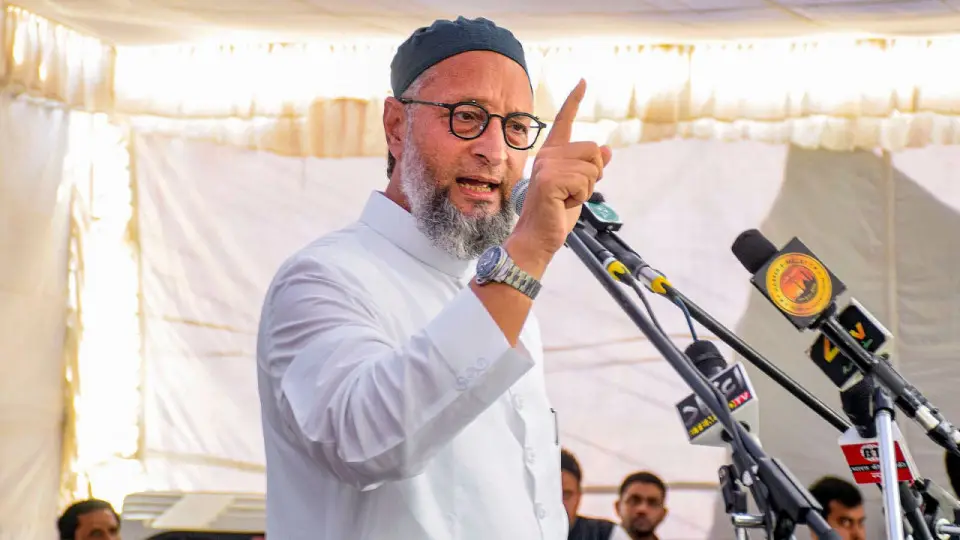
File Photo
New Delhi: Speaking at a private event, former BJP MP Brijbhushan Sharan Singh asserted that Asaduddin Owaisi comes from a Brahmin lineage. He claimed Owaisi’s ancestors belonged to a Hindu Brahmin caste before allegedly changing religion. The statement has sparked fresh debate over identity and politics.
Singh defended “Vande Mataram” as a patriotic anthem. He asked — if the song cannot be sung in India, then where should it be sung — Afghanistan? Pakistan? He criticised Congress and other opponents for raising objections, saying they divert attention from serious public issues with such statements.
According to him, Congress has repeatedly used emotional and identity issues like Vande Mataram controversies to shift focus from real problems affecting citizens. He argued such politics of “filmy issues” hurts national unity rather than ensuring development.
Singh claimed that during India’s freedom struggle, Muslims largely accepted “Vande Mataram” and that only a few — like Jinnah — objected. He asserted that today also most Indian Muslims respect the song. His remarks reopen old debates about history, identity and communal politics.
The assertion about Owaisi’s ancestry touches sensitive identity issues. It may deepen existing communal divides and fuel political polarisation. Critics say such claims lack historical verification and serve to stir controversy rather than foster dialogue.
Leaders from Muslim groups, opposition parties and civil society are expected to condemn the remarks. This puts pressure on BJP to respond. The debate could dominate headlines in coming days. The political temperature may rise before elections in several states.
Whether Singh provides evidence for his claim or not, public discourse is likely to remain heated. Media, historians and political commentators will examine the assertion. If unverified, it may backfire. For now, the controversy adds another layer to identity politics in India.










Copyright © 2025 Top Indian News


